From patrol officer to homicide investigator
Dave Sweet did not set out to become a retired homicide detective turned consultant. He started where most police officers start: on patrol, answering calls, learning how people behave when something has gone wrong and how quickly a situation can change. Those early years taught him to listen before he talks, to notice what is out of place and to treat every person with respect, whichever side of an incident they are on.
Over 25 years in Canadian law enforcement, that foundation carried him into undercover assignments, into task forces focused on gangs and organized crime, and finally into a 14-year tenure in the homicide unit of a large western Canadian police service. Homicide work is unforgiving. Evidence has to be tested, timelines have to hold up, and every conclusion has to survive the scrutiny of prosecutors, defence counsel, judges and juries. That discipline is the core of what Dave Sweet brings to clients today.
Why a homicide detective's mindset works outside policing
Most organizations never face a homicide, but they do face the same underlying problems that homicide investigators handle every day: incomplete information, conflicting accounts, emotional stakeholders, pressure for fast answers and the risk of getting it wrong. A retired homicide detective has spent a career working through exactly those conditions.
For an employer, that might mean a workplace investigation where two credible people describe the same meeting in completely different ways. For a property manager, it might mean understanding why one parkade keeps attracting break-ins while the building next door does not. For a legal team or a family, it might mean a careful, independent review of a case file that has sat unresolved for years. In each situation the method is the same: gather the facts, test them, keep bias out of the process and write conclusions that can be defended.
Lessons from 14 years in homicide
Homicide investigators learn quickly that first impressions are often wrong. The most obvious explanation is not always the correct one, and the loudest voice in the room is not always the most reliable. Dave's approach reflects those lessons: slow down, document everything, test each assumption and follow the evidence rather than the story people want to believe.
He also learned the human side of serious incidents. Families, witnesses, employees and first responders all carry the weight of what happened. Good investigations respect that weight. They are thorough without being cold, and they recognize that the people involved need clarity as much as they need conclusions.
Independent, evidence-based and confidential
Dave Sweet works independently. He is not aligned with any one party in a dispute, and his findings are not shaped by what a client hopes to hear. That independence matters: an investigation or review is only useful if the people relying on it can trust that it was fair.
Every engagement is handled with discretion. Sensitive information about employees, residents, victims and families is protected, and reports are written for the people who need them: clear, organized and free of unnecessary jargon.
Author, podcaster and speaker
Outside of consulting, Dave shares what he has learned through writing, podcasting and speaking. His books, Skeletons in My Closet and Undaunted, and his true-crime podcast, The Ride Along, give readers and listeners an honest look at the realities of police work, trauma and resilience. As a speaker, the retired homicide detective brings the same candour to conferences, association meetings and in-house training sessions.
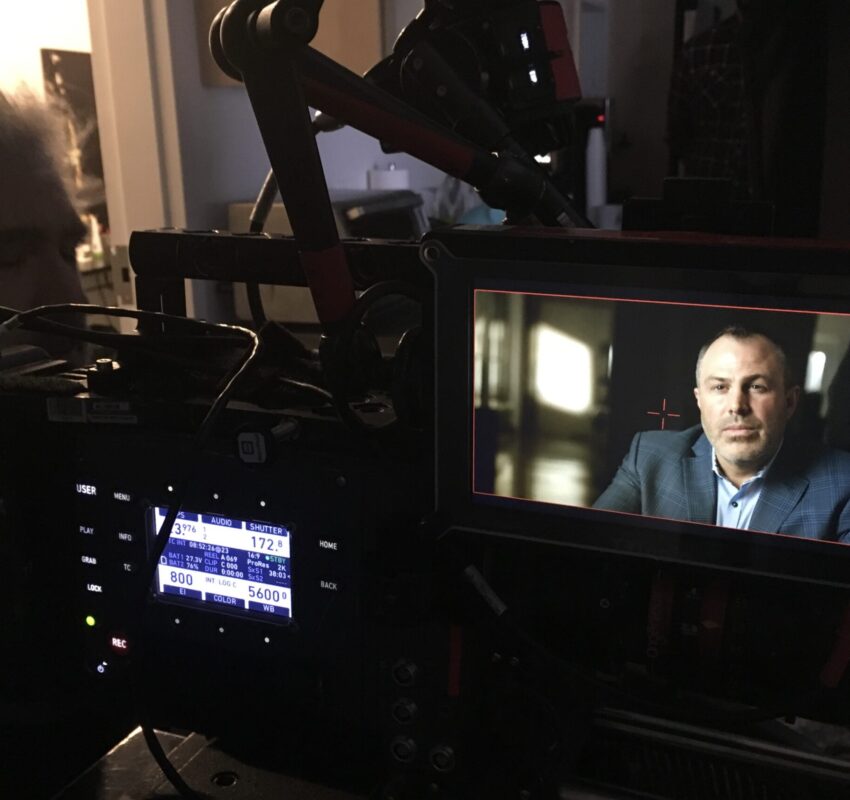
He is also a regular voice in the media, offering context on investigations, public safety and crime prevention. Selected television interviews are featured on the home page, and details on film, television and writing projects are on the media and advisory page.
Why organizations call a retired homicide detective
Clients rarely call because everything is going well. They call after a complaint that could damage a team, after a break-in or assault on their property, after a critical incident that raised hard questions, or when a case has stalled and the people waiting on it deserve a fresh look. In those moments, experience matters. A retired homicide detective has seen how serious situations unfold, how evidence is lost when early steps are rushed and how careful work at the start protects everyone later.
Dave Sweet also understands the pressures on the people who hire him. Human resources leaders need findings that are fair to both the complainant and the respondent. Property owners need recommendations that fit their budget. Lawyers need reports that are organized, sourced and ready for scrutiny. Producers and authors need accuracy without losing the story. Dave shapes each engagement around those real needs rather than a one-size-fits-all template.
Just as importantly, he knows when an issue should go to police, to legal counsel or to another specialist, and he will say so plainly. Knowing the limits of a review is part of doing it well.
How clients work with Dave Sweet
Most engagements begin with a confidential conversation. Dave listens to what has happened, what decisions need to be made and what constraints apply, whether they are time, budget, legal or reputational. From there he recommends a practical scope: a focused workplace investigation, a CPTED site assessment, a post-incident analysis, a criminal case file review, advisory support for a media project or a customized training session.
The goal is always the same: leave people better than he found them, and give clients answers they can act on.